
Top-Rated Products For Fire Damage Cleanup and Restoration
Browse highly recommended supplies that support efficient removal of soot, smoke, and debris during fire damage restoration efforts.
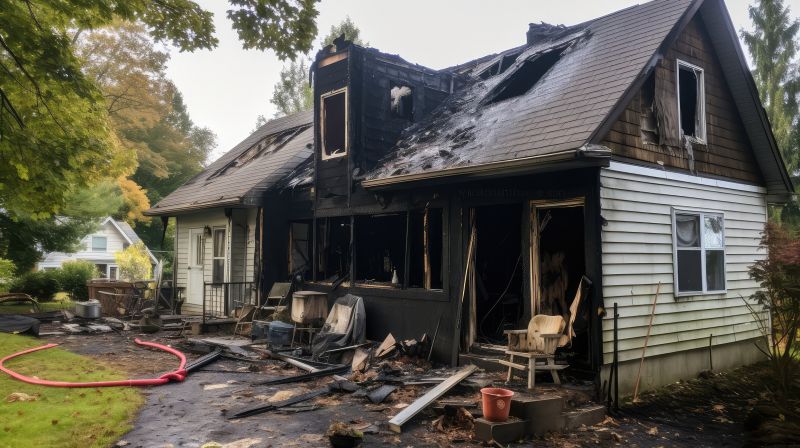 Fire restoration products are essential tools and materials used to repair and rehabilitate structures affected by fire damage. These products help mitigate the effects of smoke, soot, and heat, enabling property owners and professionals to restore buildings to a safe and livable condition. Effective fire restoration involves a combination of cleaning agents, protective equipment, structural repair materials, and specialized tools designed to address the unique challenges posed by fire damage.
Top Overall Option
Comprehensive Fire Damage Restoration Kit
A versatile and all-in-one kit designed to provide a wide range of tools and supplies for fire damage cleanup and restoration. It typically includes cleaning agents, protective gear, odor neutralizers, and basic repair materials, making it suitable for both professional restorers and serious DIY projects. This type of kit offers convenience and ensures that essential products are readily available for efficient fire damage recovery.
Types of Products For Fire Restorations
Soot and Smoke Cleaning Agents
Specialized solutions formulated to remove soot and smoke residues from various surfaces, helping to restore cleanliness and reduce odors.
Odor Neutralizers
Products designed to eliminate persistent smoke smells by penetrating porous materials and neutralizing odor-causing particles.
Fire-Resistant Drywall and Panels
Building materials that resist ignition and help contain fire spread, essential for structural repairs and safety enhancement.
Protective Gear
Equipment such as respirators, gloves, and coveralls that safeguard workers from harmful substances during restoration activities.
Thermal Imaging Devices
Tools used to detect hotspots and assess areas affected by heat, aiding in targeted cleanup and repairs.
Moisture Meters
Instruments that measure residual moisture to prevent mold growth and ensure thorough drying after firefighting efforts.
Air Scrubbers and Filtration Systems
Devices that improve indoor air quality by removing airborne contaminants, smoke particles, and odors.
Sealants and Fire-Resistant Coatings
Materials used to seal surfaces and provide an additional layer of fire resistance during structural repairs.
Structural Reinforcement Materials
Products such as fire-resistant beams and supports that help restore structural integrity after fire damage.
Cleaning Cloths and Sponges
Absorbent and scrubbing tools for manual cleaning of soot and residues from surfaces.
Dehumidifiers
Equipment that reduces humidity levels to facilitate drying and prevent mold growth in affected areas.
Fire Extinguishers and Suppression Tools
Devices used to control small fires during the restoration process and ensure safety.
Electrical Repair Supplies
Components and tools necessary for restoring electrical systems damaged by fire.
Floor and Carpet Cleaners
Products formulated to clean and deodorize flooring materials affected by smoke and soot.
Paints and Sealants
Specialized coatings for sealing surfaces and preventing future fire hazards.
Fire-Resistant Insulation
Insulation materials that provide thermal barriers and help contain fire spread.
Popular Choices
Widely used solutions for cleaning soot from walls, ceilings, and furniture, helping to improve indoor air quality.
Effective products for neutralizing smoke odors in enclosed spaces, often used in conjunction with air filtration.
Powerful filtration systems that improve air quality during and after the restoration process.
Popular tools for identifying hidden hotspots and assessing the extent of heat damage.
Commonly used in rebuilding efforts to enhance fire safety in restored structures.
Essential safety gear for workers handling soot, smoke, and chemical cleaners.
Frequently used to dry out affected areas and prevent mold growth after firefighting efforts.
Popular for quick odor neutralization in smaller spaces or localized areas.
Complete sets that include various cleaning solutions and tools for comprehensive soot removal.
Used to seal cracks and joints, helping to restore structural integrity and prevent fire spread.
Commonly used to identify hidden moisture pockets post-fire to prevent secondary damage.
Popular for quick application to reduce smoke smells on various surfaces.
Applied to surfaces to add an extra layer of fire resistance during rebuilding.
Widely used for manual cleaning and soot removal in restoration projects.
Important safety tools kept on hand during restoration activities to manage small fires.
When selecting products for fire restoration, it is important to consider their compatibility with various materials, ease of use, and effectiveness in addressing specific types of damage. For instance, soot removal products need to be safe for different surfaces, while odor neutralizers should be capable of penetrating deeply to eliminate lingering smoke smells. Using the right combination of products can significantly improve the efficiency of the restoration process and help ensure thorough cleanup.
Restoration professionals often rely on a diverse array of tools and supplies, including industrial-grade cleaning agents, moisture meters, air scrubbers, and thermal imaging devices. These tools assist in assessing the extent of damage, removing contaminants, and verifying that the environment has been properly cleaned and restored. Proper training and knowledge about each product’s application are crucial to achieving optimal results and maintaining safety standards.
In the aftermath of a fire, safety is paramount. Protective gear such as respirators, gloves, and coveralls are necessary to shield workers from hazardous substances. Additionally, structural repair products like fire-resistant drywall, sealants, and reinforcement materials help rebuild and secure compromised structures. The selection of reliable, high-quality products tailored to specific restoration needs can make a significant difference in the overall success of a fire damage recovery project.
Key Buying Considerations
- Compatibility with different surfaces and materials affected by fire.
- Effectiveness of the product in removing soot, smoke, and odors.
- Ease of application and whether specialized training is required.
- Safety features and protective measures for users.
- Drying and curing times to plan workflow efficiently.
- Durability and long-term effectiveness of repair materials.
- Availability of replacement parts or refills for cleaning agents.
- Compatibility with existing restoration equipment.
- Environmental conditions of the affected area, such as humidity and temperature.
- Regulatory compliance and safety standards adherence.
- Cost-effectiveness relative to the scope of the restoration project.
- Ease of storage and handling of products, especially for large-scale jobs.
- Customer reviews and professional recommendations.
- Availability of technical support or training from suppliers.
- Brand reputation and product reliability.